
Exploring the psychology behind casino games and player behavior
The Allure of Casino Games
Casino games are designed to captivate players, combining elements of chance, skill, and social interaction. This magnetic appeal stems largely from the psychology of thrill-seeking. Players are often drawn to the excitement of winning, the chance of hitting the jackpot, and the social dynamics of engaging with others in the gaming environment. In this context, many enthusiasts explore online casinos offering diverse gaming experiences, making the thrill accessible from home. The sounds, lights, and atmosphere of a casino amplify these sensations, creating a unique experience that keeps players coming back for more.
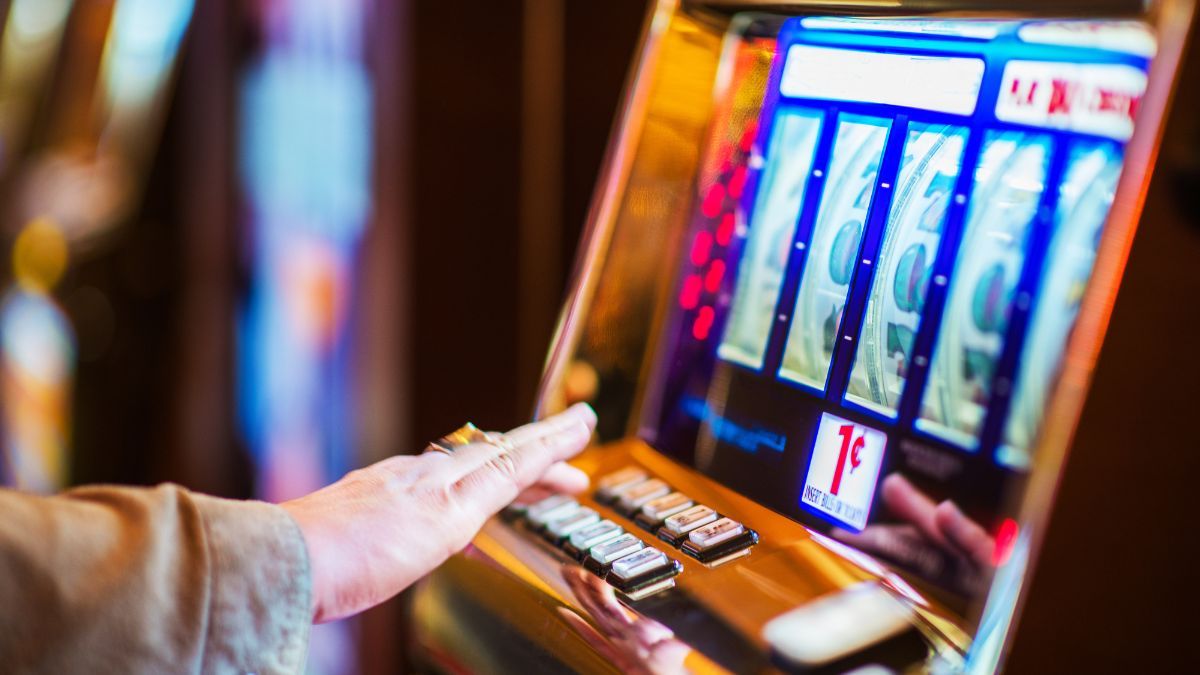
The concept of variance plays a crucial role in this allure. Games with uncertain outcomes, such as slots, create suspense and anticipation, rewarding players with momentary excitement when they win. This unpredictability can trigger a psychological response similar to that found in addictive behaviors, leading players to continue gaming despite previous losses.
The Role of Cognitive Biases
Cognitive biases significantly influence player behavior in casinos. One of the most prominent is the illusion of control, where players believe they can influence the outcome of a game through their actions, even when outcomes are entirely random. This misconception often leads to increased gambling as players feel empowered to change their fate.
Another common bias is the gambler’s fallacy, which is the belief that past outcomes can affect future results. For instance, if a player observes a slot machine has not paid out recently, they may wrongly assume it is due for a win. These biases illustrate how our thinking processes can lead to irrational decisions in gambling, often resulting in increased play and financial loss.
Emotional Factors and Decision-Making
Emotions play a pivotal role in gambling behavior. Players often gamble to escape negative feelings or to enhance positive ones. The thrill of winning can create a dopamine rush, reinforcing the behavior and encouraging further gambling. Conversely, losses can lead to feelings of frustration or despair, prompting players to chase losses in an attempt to reclaim their previous standing.
Furthermore, the environment of a casino can heighten emotional responses. The use of free drinks, vibrant decor, and the presence of other players generates a social atmosphere that intensifies emotions, often leading to impulsive decisions. Understanding these emotional triggers can provide insight into why players engage in specific behaviors and the lengths they go to in pursuit of their gambling interests.
The Influence of Social Dynamics
Social dynamics significantly shape player behavior in casinos. The presence of others can create a sense of belonging and encourage competitive spirit, often leading to increased gambling activity. Players may feel motivated to play more aggressively when they observe others winning, believing they can replicate that success.
Moreover, peer pressure can influence individuals to gamble beyond their means. The social setting of a casino fosters a shared experience, which can blur the lines of personal limits and financial responsibility. Understanding these social influences is vital for recognizing the potential risks associated with casino gaming.
Resources for Responsible Gambling
The website is dedicated to providing users with essential information and resources on a broad range of topics, including responsible gambling practices. While it aims to create a user-friendly experience, it is also committed to guiding individuals toward safe and informed decisions regarding their gambling activities.
For those looking to understand their gambling habits better or seeking help, the site offers valuable insights and tools. By promoting responsible gaming, it helps ensure that players can enjoy the thrilling aspects of casino games without falling prey to compulsive behaviors.